
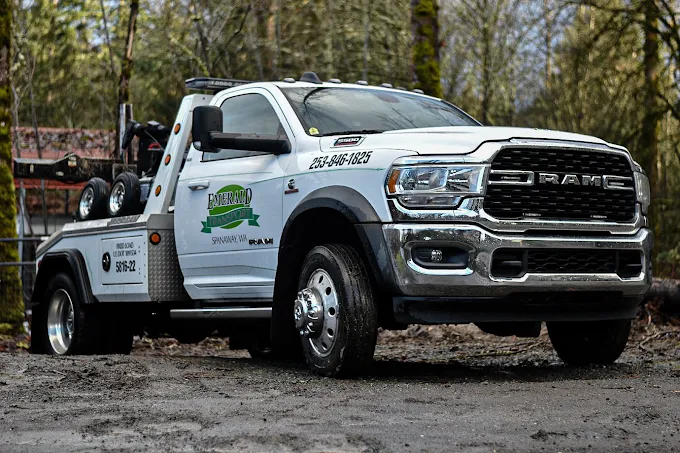
Car, SUV or pickup need a tow?
Tell us where it is and where it's going. We're here 24/7.
What Light Duty Towing Covers
Light duty towing covers the everyday vehicles most of us drive, including cars, small SUVs, minivans, smaller pickups, and motorcycles. If your vehicle isn’t a box truck, RV, bus, or big rig, it’s very likely a light duty tow. Knowing that before you call helps make sure the right truck shows up the first time.
Light duty towing is for the vehicles you see in every driveway and grocery store parking lot. If you drive it to work, to school pickup, or out to the lake on the weekend, it probably fits here.
Here’s what usually falls under light duty:
- Sedans, coupes, and hatchbacks
- Small and midsize SUVs and crossovers
- Minivans
- Smaller and standard pickup trucks
- Motorcycles
- Rideshare vehicles that broke down mid-shift
The reason you might need a tow doesn’t change much from one vehicle to the next. Maybe the engine won’t turn over, a tire blew out and the spare is flat too, or the car started overheating on your way up Mountain Highway. Maybe it’s been sitting in the driveway for months and just needs to get to a shop. All of those are light duty jobs when the vehicle itself is light duty.
Not sure where your vehicle lands? Open the driver’s door and look for the sticker on the door frame. It lists the gross vehicle weight rating, which is the most the vehicle is built to carry, including itself. If you read that number to us when you call, we’ll know what kind of truck you need.
How your vehicle gets moved matters too. Light duty tows are usually done with a wheel lift, which raises one end of the vehicle, or a flatbed, which carries the whole thing off the ground. All-wheel-drive vehicles, low sports cars, and anything with damage to the wheels or axles often do better on a flatbed. If you know your car is all-wheel drive, mention it when you call.
There’s a point where a job stops being light duty. Box trucks, motorhomes, dump trucks, buses, and semis need bigger equipment. We handle those through our Medium Duty Towing and Heavy Duty Towing services, so you don’t have to hunt for a second company if your vehicle turns out to be bigger than you thought.
What you’re pulling also changes things. A pickup with a loaded utility trailer or boat trailer hooked up isn’t a simple light duty tow anymore. Tell us about anything attached to your vehicle, and we’ll plan around it. See trailer towing and boat trailer towing.
Some problems don’t need a tow at all. A dead battery, a lockout, or a flat with a good spare can often be handled right where you’re parked with a Jump Start, Car Lockouts help, or a Tire Change. We’ll ask a few quick questions so you only pay for what you need.
We’re family-owned and have been helping drivers around Spanaway, Tacoma, Puyallup, Graham, Lakewood, and JBLM since 1998. We’re here 24/7, and we’d rather spend an extra minute on the phone getting it right than send the wrong truck.
Signs You Need a Tow Instead of a Roadside Fix
A roadside fix works great when the problem is simple and the rest of the car is healthy. When something deeper is going on, like overheating, transmission trouble, soft brakes, or crash damage, a jump or a spare might only buy you a few more miles.
Then you’re stuck again, maybe somewhere worse than where you started. Here are the signs that usually point to a tow:
- The engine won’t start even after a jump, or it starts and dies a few minutes later.
- The temperature gauge went into the red, or you saw steam coming from under the hood.
- You smell something burning, see smoke, or notice fluid pooling under the car.
- You hear grinding, clunking, or loud knocking from the engine or the wheels.
- The transmission slips, won’t shift, or won’t go into gear at all.
- The steering feels loose, or the brakes feel soft or spongy.
- A red warning light came on, like the oil pressure light.
- A tire is shredded and the wheel underneath looks bent or cracked.
- The car was in a crash, even a small one, and something looks or feels off.
Picture this. You get a jump in a parking lot and drive about a mile. Then the dash lights start to flicker and the car shuts off. That usually means the battery wasn’t the real problem. It could be the alternator or a wiring issue, and those are shop repairs. Another jump won’t fix them.
Overheating works the same way. Adding coolant might cool things down for a bit. But if the engine got hot enough to steam, something caused it, like a leak, a bad hose, or a failing water pump. Driving on it can turn a smaller repair into a much bigger one. A tow to your mechanic is often the cheaper choice in the long run.
Brakes and steering are a hard line. If either one doesn’t feel right, the car shouldn’t be driven. It doesn’t matter how close home is.
After an accident, damage can hide under the bumper or behind a wheel. Leaking fluid, a tire that rubs, or a wheel that points the wrong way are all good reasons to have the car carried instead of driven. Our Accident Towing service covers those situations.
Getting stuck is its own case. If you slid into a ditch or off a soft shoulder, you may only need a Winch Out Service to pull you back onto solid ground. If the car drives normally once it’s out, you might not need a tow at all. If something got bent or knocked loose on the way in, then it’s time for a tow.
Where you’re stopped matters too. A fix that’s easy in a quiet driveway can be a bad idea on a narrow shoulder with traffic going by. Sometimes the best move is to get the car somewhere safe first and sort out the problem there.
Not sure which group your problem fits in? Just tell us what you’re noticing when you call. Let us know what happened right before it stopped, which lights are on, and any sounds or smells. That helps us decide whether a roadside visit makes sense or whether we should send a truck ready to tow, along with the right setup for your vehicle.
Not sure it's just the battery?
Tell us what happened right before it stopped. We'll send the right help.
Urgent Versus Can-Wait Towing Situations
How soon you need a tow usually has less to do with what’s wrong with the car and more to do with where it’s sitting and who’s with it. A car with a bad alternator in your garage isn’t an emergency. The same car stalled on a busy shoulder after dark is.
Call right away if any of these sound like you:
- Your car is stopped on a highway shoulder, in a travel lane, or partly blocking traffic.
- You’re stuck somewhere that doesn’t feel safe, like a dark stretch of road or an empty lot late at night.
- You have kids, pets, or someone who’s elderly or unwell in the car with you.
- You were just in an accident and the car can’t be moved, or it’s leaking fluid.
- The weather is turning bad and you’ve got no good place to wait.
- You’re parked somewhere the car could get ticketed or towed away if it sits too long.
In those cases, waiting doesn’t save you anything. It just keeps you in a tough spot longer. That’s why we’re here 24/7. Middle of the night, weekend, holiday, it doesn’t matter. You can call us.
Now for the honest part. A lot of tows don’t need to happen tonight.
If your car won’t start in your own driveway, it’s not going anywhere. If it died in a parking spot you’re allowed to use, and you got home safe, you can usually wait. The same goes for a project car that’s been sitting for months, or a vehicle that needs to get to a shop that won’t open until Monday anyway.
In those cases, it often makes more sense to schedule the tow for a time that works for you. That gives you a chance to call your mechanic first and confirm they have room. Then you can be there when the truck shows up, so you’re not rushing out the door half asleep.
It’s worth knowing that some towing companies price after-hours, weekend, or holiday calls differently than daytime ones. If your car is parked safely and the timing doesn’t matter, ask about that when you call. A planned tow can be the easier choice for your schedule, and sometimes for your wallet too.
There are a few gray areas. Say your car broke down in a store parking lot. It’s safe for now, but the lot might have rules about overnight parking. Or you’re at work, and you need the car moved before you head home. Those aren’t emergencies, but they do have a clock on them. Just tell us when the car needs to be gone, and we’ll plan around that.
Your own gut matters here too. If something feels off about where you’re waiting, trust that feeling. You don’t need a perfect reason to want help now. Being stuck is stressful enough, and nobody should have to talk themselves into feeling okay about a spot that doesn’t feel right.
When you call, tell us where the car is, whether you’re with it, and whether it’s blocking anything. That’s what helps us figure out how to handle your tow, whether that means heading out right away or picking a time that works better for you.
What Happens During a Light Duty Tow
Once a truck is on the way, most of the hard part is already behind you. The driver looks the car over, loads it by wheel lift or flatbed, straps it down, and takes it where you asked.
A light duty tow is a simple process. Knowing the steps can make the wait feel a lot less stressful.
While you wait, take a minute to get a few things ready:
- Keys: Including any separate key fob.
- Things you’ll need: A phone charger, garage opener, medication, or a child’s car seat.
- Valuables: From the glove box, console, and trunk.
- Destination: The full name and address of the place the car is going.
- Payment: A way to pay, plus your roadside or insurance info if you plan to use it.
When the driver arrives, they’ll usually start by looking the vehicle over. Many operators note or photograph any dents, scratches, or damage that’s already there. That isn’t a sign of distrust. It protects you and the driver by showing what the car looked like before it was moved.
Next comes loading. Depending on the setup your vehicle needs, the driver will either lift one end or pull the car onto a flatbed. The car usually has to be in neutral with the parking brake off. If the car won’t shift into neutral, or the steering wheel is locked, say so. Drivers have ways to handle that, but it helps to know up front.
Then the vehicle gets strapped down. A secure tie-down is what keeps your car from shifting on the ride. It’s worth letting the driver take their time on this step.
You’ll probably wonder whether you can ride along. Rules on passengers differ from one company to the next and can depend on the truck. It’s a fair thing to ask on the phone before you plan your ride home.
Before the truck leaves, you’ll usually sign a short form. It confirms where the car is going and what condition it was in. Read it before you sign. Make sure the drop-off address is right, because a car that lands at the wrong shop is a real headache.
If your car is going to a repair shop after hours, call the shop ahead of time. Many shops have a key drop or a spot set aside for overnight tows, but some don’t. A quick call means the car won’t end up parked somewhere it isn’t welcome.
Drop-off is the last step. Once the car is unloaded, walk around it if you’re there. Check that it looks the way it did at pickup and that your keys ended up in the right hands. If you’re not there in person, ask the shop to give it a quick look when they open.
That’s really all there is to it. You hand over the keys, the car gets loaded and secured, and it ends up where you asked. Every step has a reason behind it, and you’re welcome to ask about any of them. Good towing should feel clear and calm, not rushed or confusing.
Ready to get your car moved?
Know where it's going? Call and we'll send the right truck.
How Light Duty Towing Costs Are Figured
Most light duty tows are priced in two main parts: a hookup or base fee for sending the truck and loading your car, and a per-mile charge for the distance it rides. Time of day, the setup your car needs, and where it’s stuck can change the total.
Most people worry about the bill before they ever pick up the phone. That’s normal. A tow price isn’t one mystery number. It’s built from a few pieces, and once you know them, it’s much easier to understand what you’re paying for.
Across the towing industry, the base fee covers sending the truck and getting your car loaded. Some companies include a few miles in the base fee, and some don’t. That’s worth asking about.
Distance is often the biggest factor you can control. A tow from Spanaway to a shop a few minutes down the road costs less than a tow to a dealer in Tacoma or across the county. If you have a choice of shops, that’s something to think about.
Here’s what else can push the price up or down:
- Time of day: As we mentioned earlier, some companies charge differently for nights, weekends, and holidays.
- The setup your car needs: A flatbed or extra equipment for an all-wheel-drive or damaged car can change the price compared with a basic wheel lift tow.
- Where the car is stuck: A car in a ditch, a tight parking garage, or a muddy spot may need winching or extra time before it can even be loaded.
- The car’s condition: Locked steering, a car that won’t roll, or missing wheels can add work.
- Waiting time: If the driver has to wait a long time on scene, some companies add a charge for it.
- Storage: If your car can’t go straight to a shop and has to be held somewhere, daily storage fees may apply.
Your coverage can help too. Many auto insurance policies, roadside plans, and even some credit cards include towing benefits. These often come with a mileage limit or a cap. Check your card or app before you call so you know what’s covered and what might come out of your pocket.
Before you agree to any tow, it’s fair to ask a few simple questions:
- What’s the base fee, and does it include any miles?
- What’s the per-mile rate after that?
- Will anything about my car or location add to the price?
- Is there a different rate for the time I’m calling?
- What payment methods do you take?
A good towing company won’t mind these questions. If someone can’t give you a straight answer about how the price works, that tells you something.
The more you tell us on the phone, the clearer the picture gets. Let us know where the car is, where it’s going, what kind of vehicle it is, and how it’s sitting. That way you’re not guessing about what goes into the price, and we can send the right truck the first time.
Fair pricing and clear communication have been part of how we do things since 1998. We’d rather you understand the bill up front than be surprised by it later. Call us at 253-846-1164.